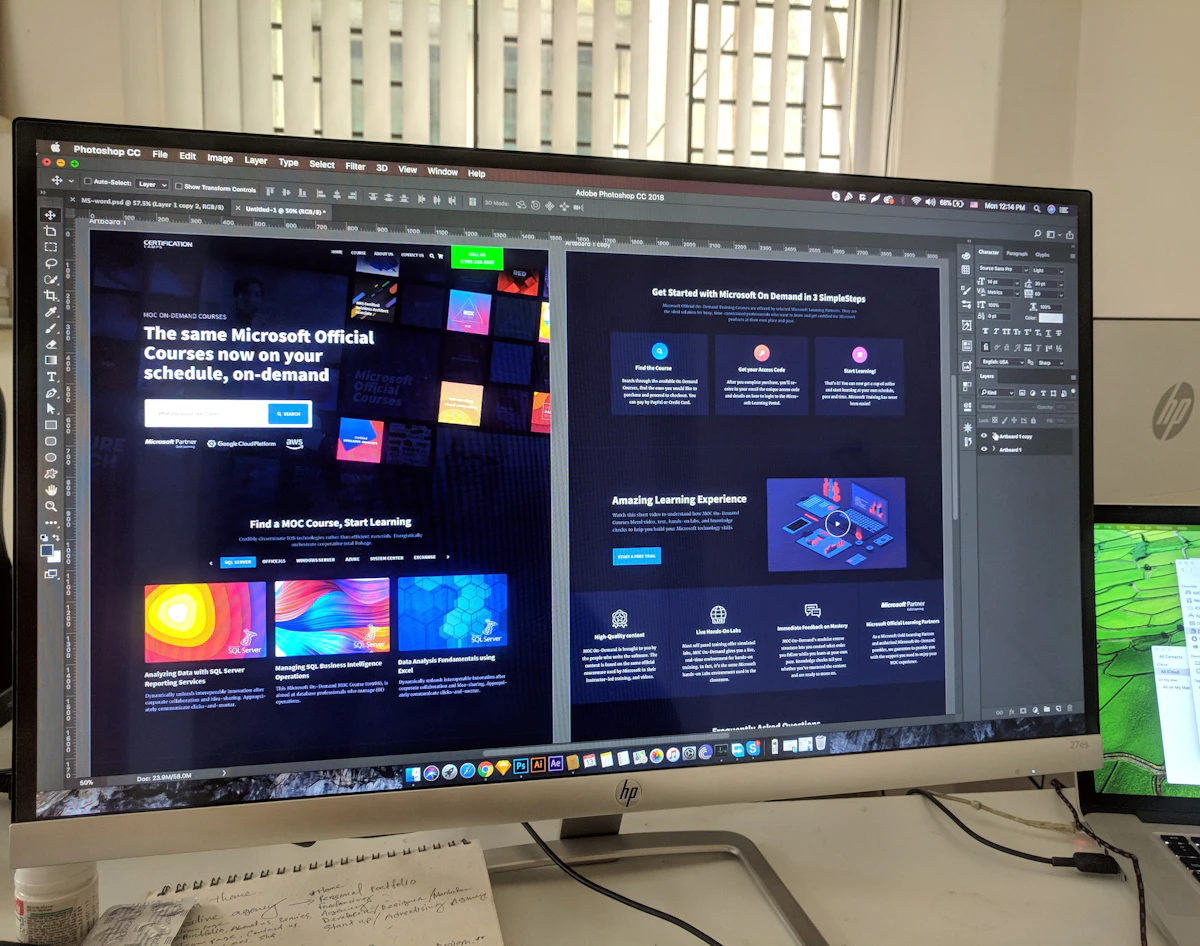
UX/UI design is behavioral science and structural engineering that shapes whether a digital product succeeds or fails, more than just selecting aesthetic palettes and typography. This guide breaks down the core distinction between UX and UI, the 7 foundational design laws, and design pitfalls that cost businesses conversions.
The Core Distinction: UX vs UI
| Design Discipline | User Experience (UX Design) | User Interface (UI Design) |
|---|---|---|
| Primary Focus | How the product works, flows, and feels; the cognitive ease of achieving user objectives | How the product looks visually; color palettes, typography, spacing, and micro-interactions |
| Key Deliverables | User research, persona archetypes, customer journey maps, information architecture, wireframes | High-fidelity UI mockups, interactive prototypes, component design systems |
| Success Metric | Task completion rate, reduced friction, user retention, low cognitive strain | Visual clarity, brand alignment, visual hierarchy, aesthetic consistency |
The 7 Golden Principles of High-Conversion UX/UI
- Visual Hierarchy: Strategically guide user gaze to primary actions (CTAs) through calculated contrast, scale, and positioning.
- Strict Consistency: Replicate interaction patterns, button treatments, and terminology throughout the platform to minimize cognitive load.
- Immediate System Feedback: Provide visual and haptic state confirmations for every user tap (loading spinners, progress indicators, success badges).
- Hick's Law (Simplicity): The time it takes to make a decision increases logarithmically with the number of choices. Keep critical user funnels direct and uncluttered.
- Error Prevention & Graceful Recovery: Anticipate user errors with inline validation, and supply human-friendly guidance when exceptions occur.
- Mobile-First Ergonomics: Optimize layouts for one-handed thumb-zone reachability on mobile touchscreens.
- Universal Accessibility (a11y): Maintain WCAG-compliant color contrast ratios and full bidirectional (RTL) Arabic typographic rendering. Learn more in our Web Accessibility Guide.
Snaabble provides a tailored technical assessment to define the right stack & exact budget.
3 Fatal UX Errors That Destroy Conversions
- Sacrificing Usability for Aesthetics: Low-contrast text and ambiguous navigation icons that look artistic on Dribbble but confuse actual paying customers.
- Designing Without Real User Research: Building interfaces around founder assumptions rather than real user testing. Read our User Research Guide.
- Neglecting a Unified Design System: Resulting in inconsistent typography, misaligned buttons, and bloated developer handoffs. See What Is a Design System?.
Applying UX/UI principles correctly shows up in conversion rates and user satisfaction. See UI/UX Design Services, review our UI/UX Design Cost Guide, or get in touch to start designing your app or site.
Frequently Asked Questions
Why invest heavily in UX research before writing code?
Fixing architectural and UX flaws in Figma costs a tiny fraction of the time and capital required to refactor code and database structures post-launch.
What is the industry-standard tooling for UX/UI design?
Figma is the unmatched industry standard for component design systems, real-time collaboration, and interactive prototyping.